

Aussie beef and lamb takes centre stage at a VIP media event at Fortnum and Mason.
Aside from cricket and an irritating habit of shortening practically every word in the English language, Australia is right up there when it comes to all things red meat. From strict sustainable production and welfare practices, to dominating the global export market for top quality wagyu beef derived from 100% Japanese genetics.
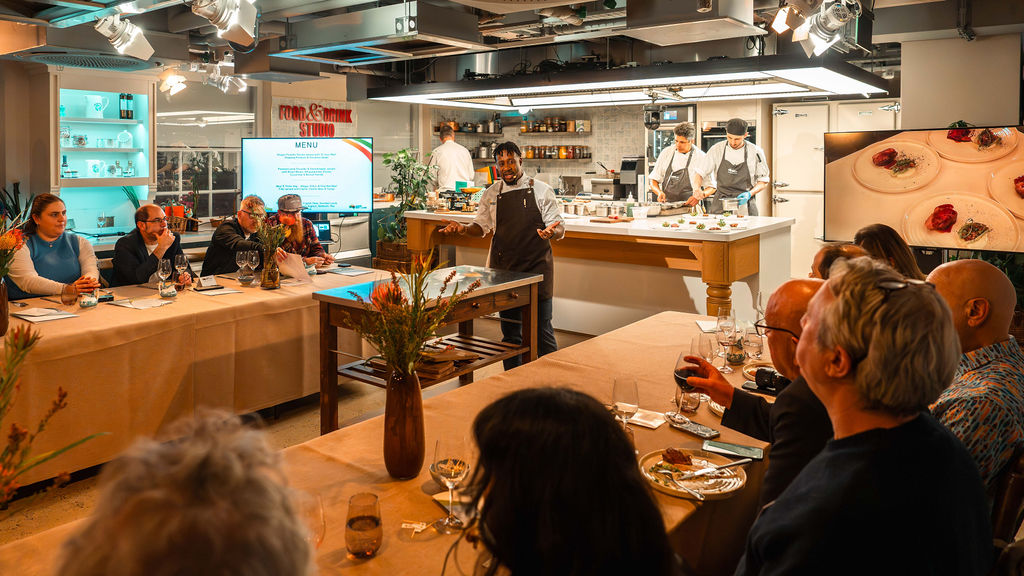
Hosted by Aussie Beef & Lamb which is the brand Meat & Livestock Australia (MLA) uses for export, the event was an opportunity for UK food media to understand just why its products are so valued by chefs across the world. And who better to demonstrate this than British chef, TV host and restaurateur Mike Reid, who prepared and delivered an impress dinner menu in Fortnum and Mason’s private Food and Drink Studio.


Prior to the event, Mike shared his thoughts on what makes Australian red meat so special:
“Australian beef gives me confidence in the kitchen,” he said. “The grading, the marbling, the way it performs service after service; that consistency is invaluable. It allows chefs to focus on creativity, knowing the product will deliver on flavour and texture every time.”
Throughout the evening, guests experienced first-hand the consistent eating quality, versatility and distinctive marbling Aussie beef and lamb is renowned for, underpinned by Australia’s rigorous grading and quality assurance systems.
Mike’s four-course menu showcased both premium and versatile cuts, with dishes that highlighted flavour and technique. From marbled 8-9+ Wagyu sirloin and picanha from Queensland to grain-fed beef fillet, lamb shoulder and rumps sourced from southern Australia it was a meat fest from start to finish.
A live butchery masterclass from Aussie Beef & Lamb’s UK & EU Country Manager, and award-winning Master Butcher, Richard Sanders, compared side-by-side Australian grassfed, grain fed Black Angus and Wagyu sirloin steaks.
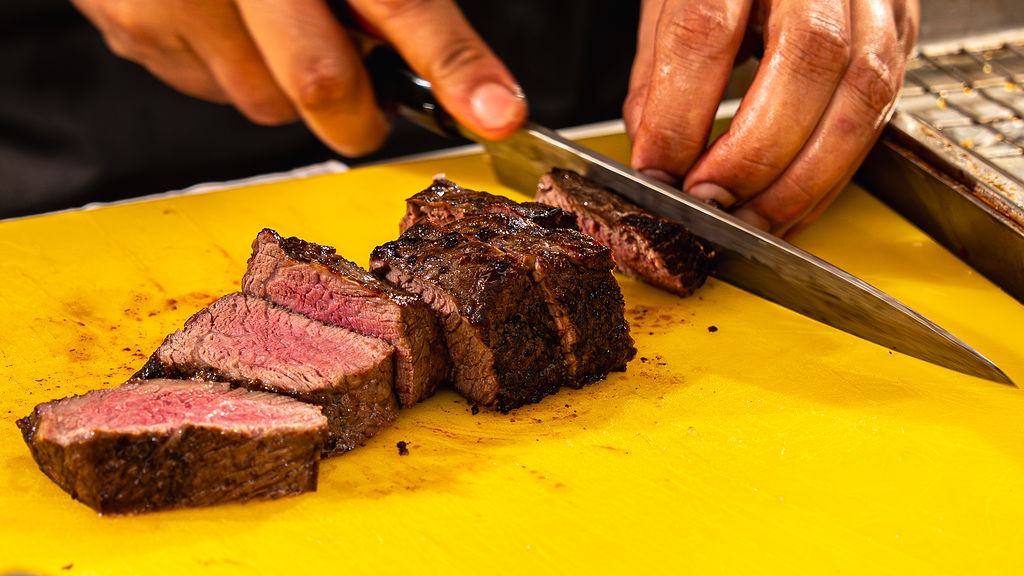
“Exploring marbling structure, flavour development, fat composition and how production systems influence eating experience, the demonstration illustrated Australia’s unique ability to offer chefs a spectrum of performance from the same primal cut and how chefs and meat lovers can make the most of every cut,” he said.
“The event reinforced why Australian red meat continues to be a trusted choice for chefs looking for confidence in service, depth of flavour and consistency across all cuts and dining applications.”
Throughout the evening, we heard how Australia contributes to the resilience of the UK’s red meat supply chain, helping to consistently fill supply gaps and meet consumer demand year-round.
“Australia has contrasting seasons, meaning our red meat production peaks when the UK’s is at its lowest, perfectly positioning Australia to plug gaps in UK supply,” said Richard Sanders.
While supply from Australia is increasing it still only makes up a very small percentage of red meat imports to the UK, with EU countries such as Poland and Ireland, as well as New Zealand and Brazil remaining the largest suppliers of red meat.
What sets Australian red meat apart.
Facing the sustainability challenge head on and not ducking the question really impressed me. Interestingly, it was pointed out that even the shipping process across to Europe actually improves the beef. It is not frozen but stays chilled throughout the voyage and so naturally ages during transit improving the flavour and tenderness. Sea freight has been proved to be the most carbon-efficient mode of transport from down under to Europe and the US.
Also, contrary to popular opinion, it seems Australian sheep and cattle producers have drastically reduced methane and other gas emissions. From 2005-2021, the industry reduced net carbon emissions by 78% and water use in cattle production by 73%, alongside widespread adoption of renewable energy, improved pasture management and soil conservation initiatives.
Consistency and eating quality grading
Australia’s rigorous, science-based grading system delivered by Meat Standards Australia (MSA), ensures every cut that bears the MSA brand is independently assessed for tenderness, juiciness and flavour. This consistency is a hallmark of Aussie red meat, offering chefs, retailers and consumer confidence in quality every time.
Spotlight on Australian Wagyu
As I mentioned above, Australia is the world’s largest exporter of Wagyu, sending over 67,000 tonnes to global markets each year. It is the world’s second-largest producer of Wagyu after Japan.
With a herd of more than 300,000, Australian Wagyu ranges from F1 crossbred animals (first-cross, 50% Wagyu x Angus) to Fullblood Wagyu derived from 100% Japanese genetics, including the celebrated sire Michifuku.

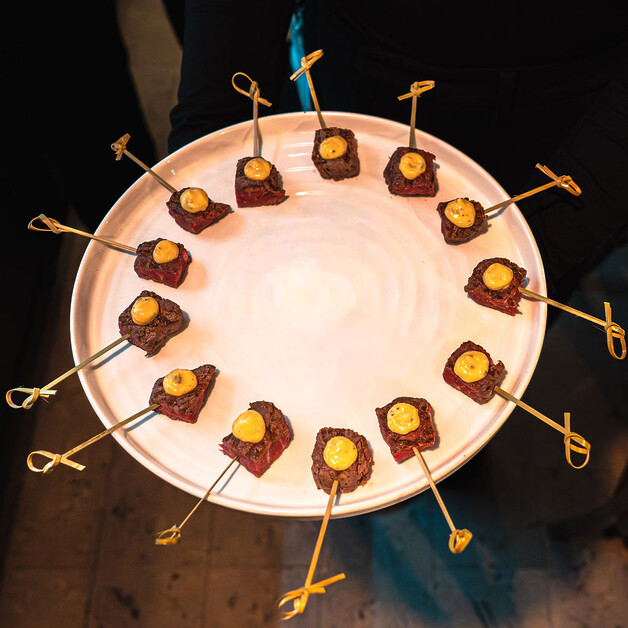
This scale, combined with rigorous grading and production standards, enables Australia to deliver marbling, consistency and reliable supply at volume – positioning Aussie Wagyu as a preferred choice for chefs seeking both premium quality and supply security.
Aussie Wagyu is renowned for its marbling, versatility and consistent quality denoted by grading, making it a favourite with chefs and consumers worldwide. You might even be shocked to find that Australian wagyu is used in many UK Japanese restaurants.
Now that fact is certainly something to chew on.
All photos (C) Fields of Growth Photography.
Tell me more about Aussie Beef and Lamb
If you want to find out more information about the quality of Aussie beef and lamb, visit Aussie Beef and Lamb
Follow @aussiebeefandlambuk on Instagram and Facebook.