
Andy Mossack explores the Chambal River Valley wilderness, a quiet corner of Uttar Pradesh just two hours from Agra.
The state of Uttar Pradesh in the north of India is roughly the size of the UK and the country’s most populated region with over 240 million people. But it’s also a magnet for millions of tourists – the bulk of them visiting just two cities. Agra for the Taj Mahal and Agra Fort and Varanasi, the spiritual heart of Hinduism, where the sacred waters of the Ganges cleanses sins and carries away funeral pyres.
Agra is the headline act of India’s famed Golden Triangle Tour, the well-trodden tourist trinity of New Delhi, Agra and Jaipur. I can’t deny it’s a wonderful experience, particularly for first time visitors to India. But the truth of the matter is that beyond the triangle they are missing out on an exceptional wildlife experience.
Just a 2-hour drive from Agra lies the Chambal River Valley region, itself a tributary of the Yamuna River where the Taj Mahal is perched. It is a region far removed from the teeming streets of Agra – a remote, rugged wilderness of cliffs, crevices and dense forest.

The Chambal is said to be India’s cleanest river and ever since 1979, over 260 miles of it is a protected wildlife sanctuary. Consequently, it is a habitat to an extraordinary amount of wildlife including dolphins, (yes you read that correctly), otters, turtles, hyenas, wolves and two types of crocodiles: standard marsh crocs and the critically endangered fish-eating gharials.
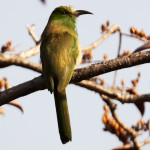
These gahrial crocs have evolved into incredibly skilled fish hunters thanks to their long, narrow snouts. And if birding is your thing, you’ll find over 300 species here including the rare Indian Skimmer.
So let me show you why the Chambal Valley is such a worthwhile extension to your Golden Triangle tour.
Mela Kothi Chambal Safari Lodge
Having escaped coach choked Agra a couple of hours previously, I arrived at the serene Mela Kothi Chambal Safari Lodge, my base for exploring a region promising an exceptional wildlife experience. Originally a 19th century manor, and the feudal seat of the Singh family since the 1400s, it was once a legendary centre for cattle trading fairs and after decades of neglect, it was reborn as a luxury retreat by the family’s great grandson Ram Singh and his wife Anu.
It is a serene eco retreat nestling in 35 acres of private forest with guestrooms in the manor house and cottages dotted around the estate. Generally, all meals are included with your stay with all the ingredients sourced from local farms.
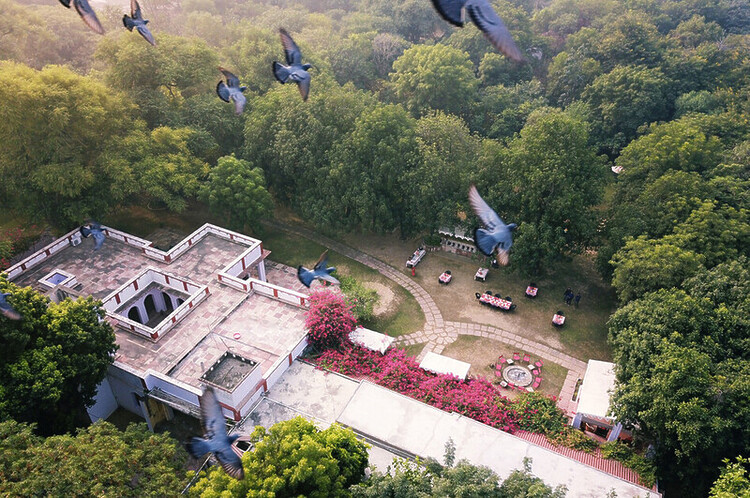

And depending on the weather, you can dine out on the lawn or in the restaurant. Ram was always around and about for a chat, as were the resident naturists who conduct regular evening walks around the grounds pointing out plenty of local birds and small mammals many of whom might occasionally wander across the lawns on their way through the forest. I fondly remember one evening having a sundowner in the garden and two striped hyenas sauntered past without a care in the world.
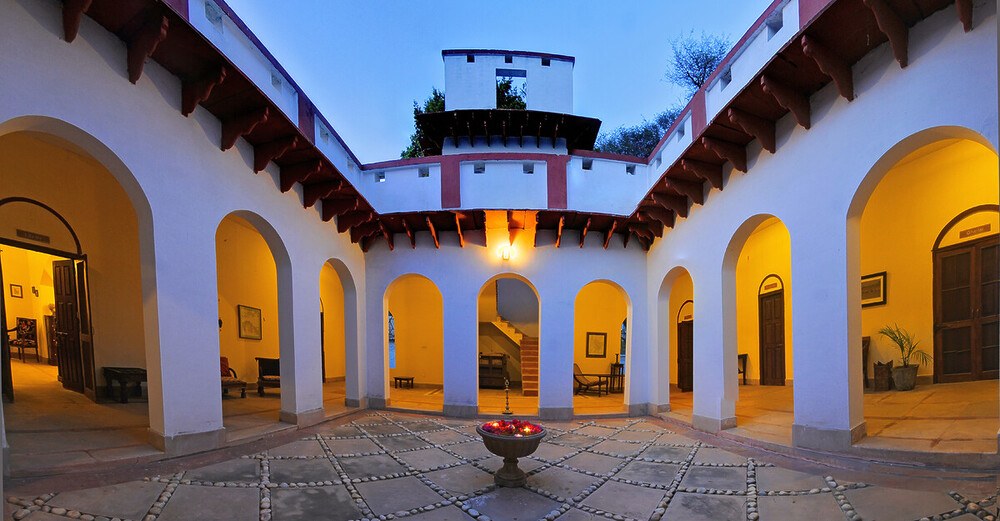
Mela Kothi Chambal Safari Lodge is a world away from Agra’s teeming streets, a homely place that treats its guests like family.
Chambal Valley River Safari
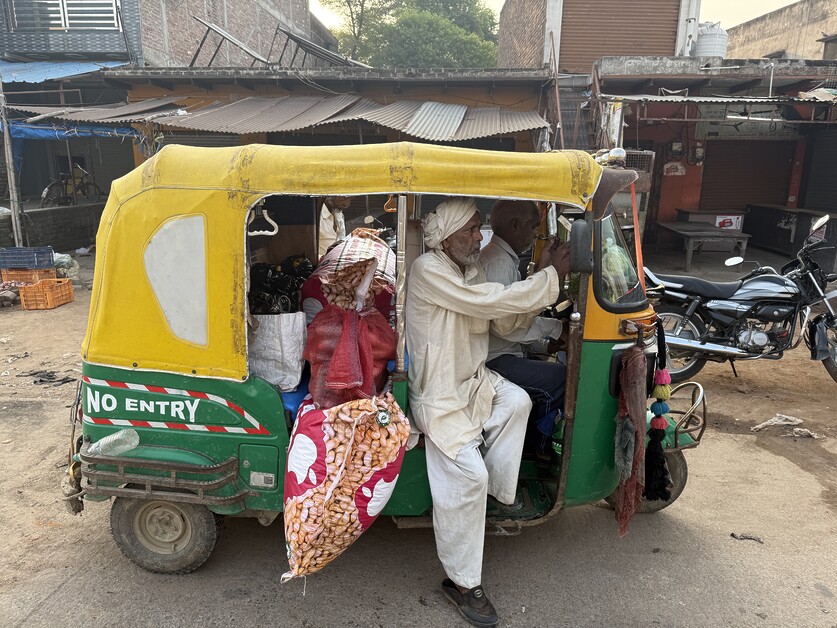
One of the highlights of my stay was undoubtedly a crewed safari along the Chambal in one of the Safari Lodge boats accompanied by one of their naturalists. It’s a shortish drive over to the river, and along the way we passed through a few local villages. They were a tapestry of daily life, full of colour and bustling markets. Just before the descent down to the riverbank you must stop at the Chambal National Sanctuary Museum which offers information on all the wildlife that you will hopefully encounter.
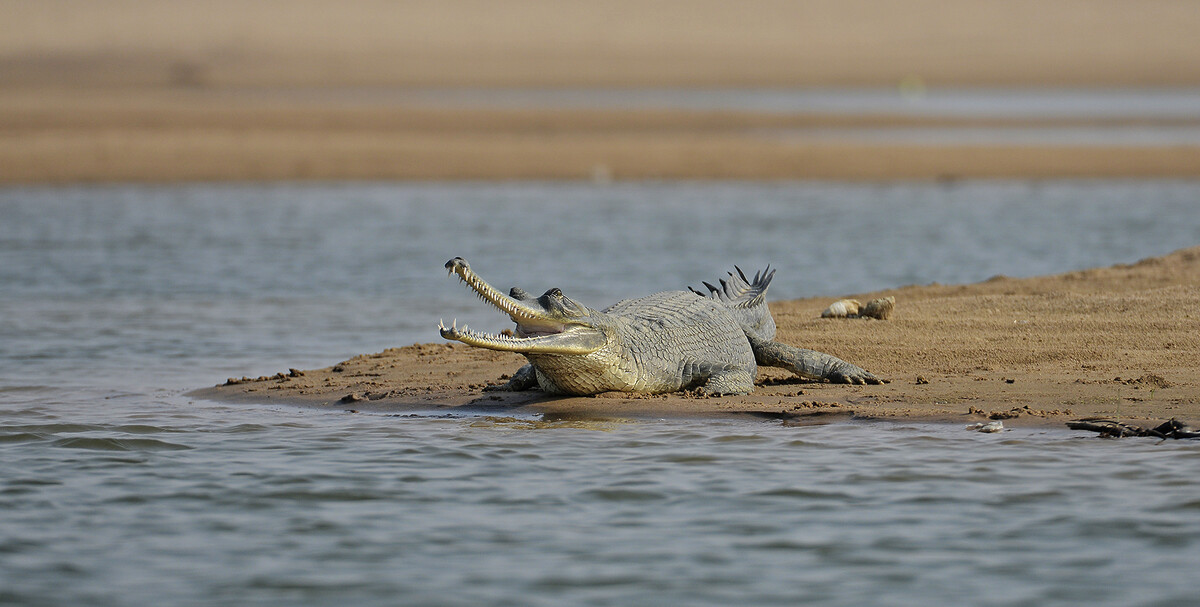
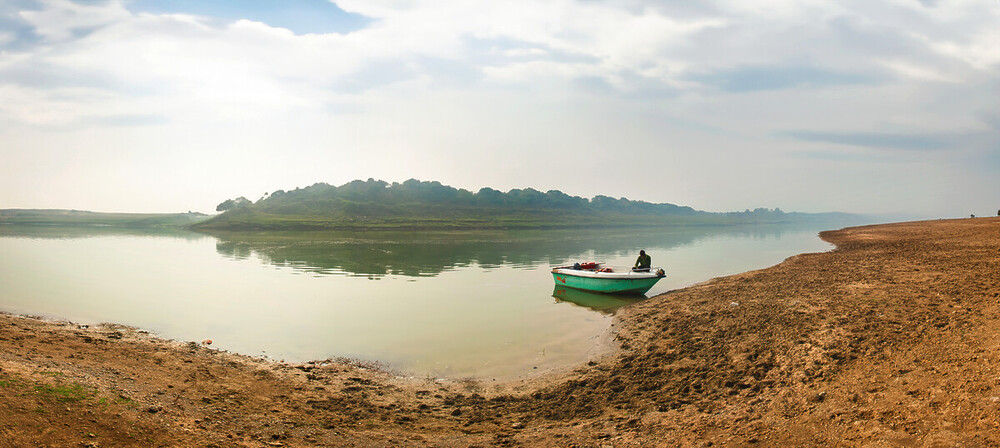
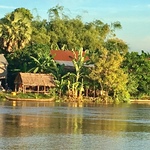
The boatmen were ready and waiting as we drew up, and in no time, we were gliding along the water of India’s cleanest river. It was a delightful couple of hours, plenty of birds and crocs on show, a few pods of those remarkable Ganges river dolphins and on each side, a rugged ravine-laced landscape. Before we turned for home, we parked the boat to snack on some masala chai and biscuits with nothing but a bunch of cranes for company. Magical.
As we returned to the Safari Lodge, we stopped off at at the small town of Baha and bought freshly fried vegetable samosas from a street seller. Delicious.
The Temples of Bateshwar
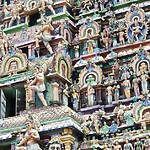
A sunset experience not to be missed is found at the Temples of Bateshwar, just 10 km from the Safari Lodge. These ancient temples dedicated to the Hindu god Shiva once numbered over 100, but now just 45 sit along the banks of a crescent bend in the Yamuna River. Many of these temples date as far back as the 15th century and are still active with worshipers.
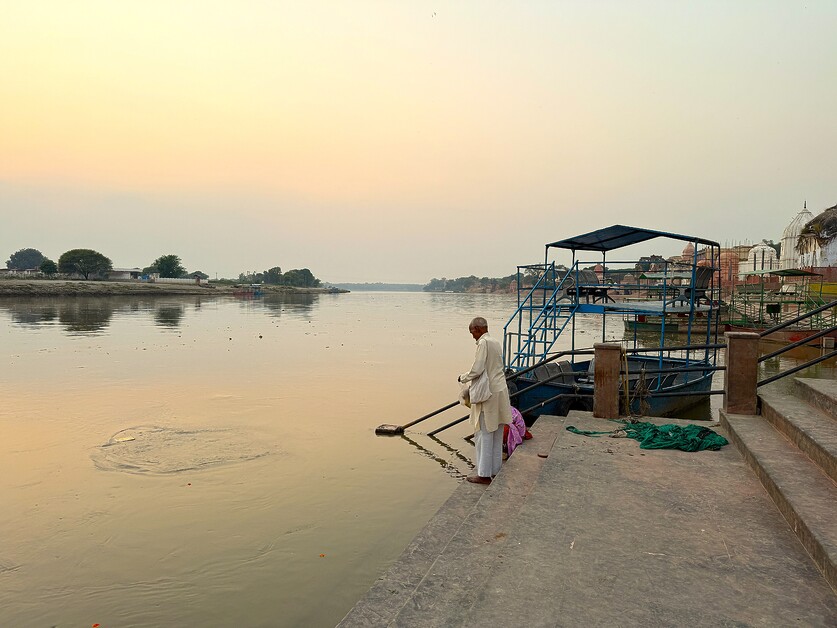
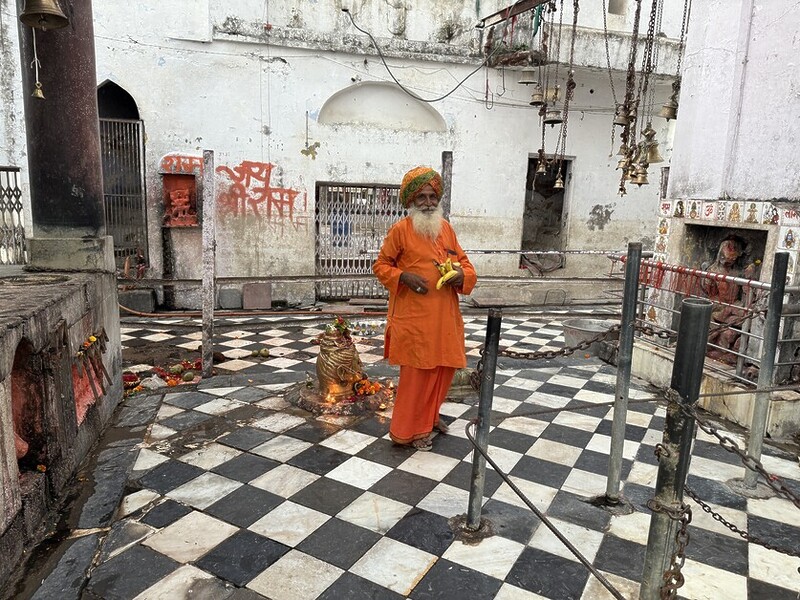
If you can arrive just before dusk, the Lodge has access to a rooftop perch that will provide a magical moment as the sun sets across the river and temple lights illuminate. I met with a pujari (priest) who blessed me for luck, tied a red and yellow kalava around my wrist and gave me a gift of bananas. A very spiritual moment which I felt was utterly authentic.
Holipura Heritage Walk
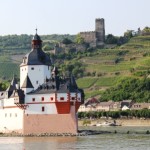
On the way to Bateshwar you can stop off at Holipura for a remarkable tour of this haveli-laden (grand homes) heritage village. Once the stronghold of the prosperous Chaturvedi dynasty, the village is full of sadly run down but once utterly magnificent buildings.
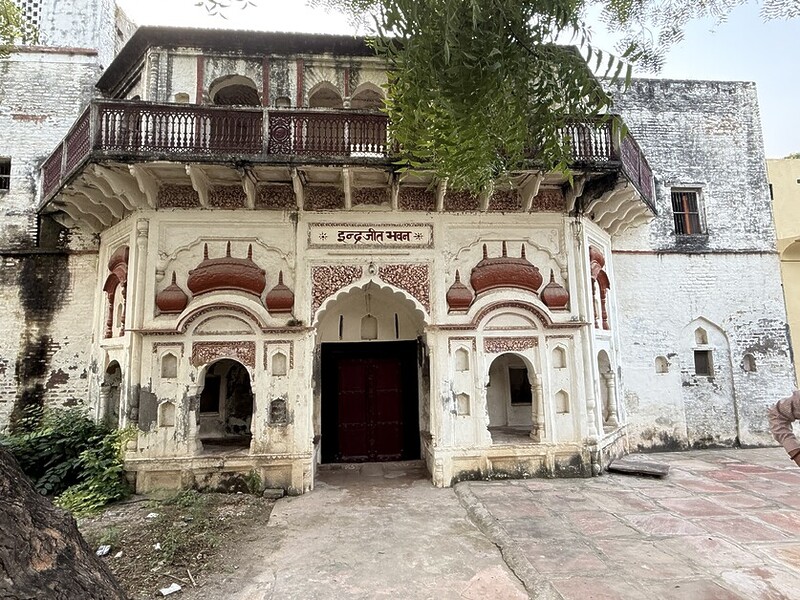
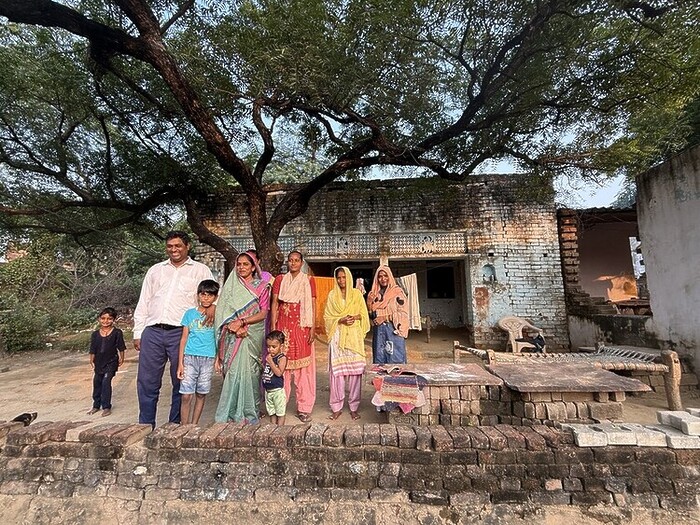
More remarkably, descendants of these families still live here. Many of these legacy properties are beginning to be renovated, and the chance to chat with their owners was a fascinating insight into how a once prominent community can be reborn.
There’s no doubt in my mind that this quiet beautiful corner of Uttar Pradesh should absolutely be on your itinerary. It will make your Golden Triangle experience that much more golden.
Images (C) Andy Mossack and Chambal Safari Lodge
Tell me more about visiting The Chambal River Valley Wilderness
Experience Travel Group
This Insider Guide to Rajasthan forms part of Andy’s epic 4-part Indian Odyssey series around Gujarat, Rajasthan, Delhi and Uttar Pradesh, which was curated in collaboration with Experience Travel Group, experts in creating bespoke travel across Asia and beyond. If you want to follow in any of Andy’s adventurous footsteps in India or curate a different Asian experience for yourself call them on 0203 993 2054 or visit Experience Travel Group
Getting to India
Throughout his Indian Odyssey series Andy flew with Air India. A direct flight from London Heathrow to Delhi, from Delhi to Ahmedabad, Rajkot to Kochi and Kochi to London Heathrow via Mumbai.
Air India is the largest carrier between India and the UK, operating nearly 1.7 million seats annually on routes between the two countries. As part of its Northern Winter 2025 schedule, the airline announced a fourth daily flight between Delhi and London Heathrow with all flights now operated by its new Airbus A350-900 and Boeing 787-9 aircraft.
The airline also introduced its new global menu in November, curated by Chef Sandeep Kalra, who was tasked with combining the flavours of India with influences from global cuisines. It includes signature Indian dishes such as Murgh Massalam and Gen-Z delights like Chicken Bibimbap and has already been introduced on most international ex-India routes, including flights from Delhi to London Heathrow