
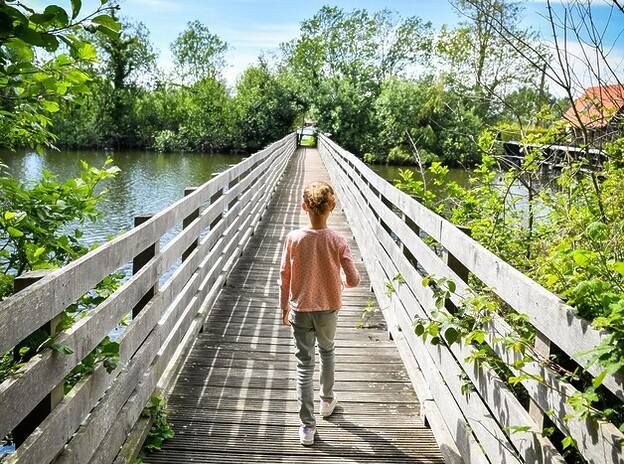
Andy Mossack goes to discover the Pas de Calais and finds much more to see than just the ferry port in your rearview mirror.
Mention Pas de Calais to anyone and they may well give you a thoroughly bewildered look and say “Pas de Calais? Isn’t that where we get the ferry and LeShuttle?”
I suppose it’s a fair question given the popularity and importance of Calais and Boulogne’s ports for visitors keen to tour France. But the Pas de Calais Department stretches much further than just these gateways. It covers a large chunk of northern France – some 2,600 square miles along the Opal Coast from Calais in the east to Le Touquet and Berck-sur-Mer in the west, and inland from Saint-Omer across to Hesdin in the centre of the seven valleys, and further south to Lens and Arras.
It’s a region often entirely missed by visitors rolling off the DFDS ferries or Eurotunnel and driving straight onto the A26, nicknamed “Autoroute des Anglais” (motorway of the English) as they head for France’s southern hotspots.
However, spend a long weekend break here or even just a couple of extra nights before journeying south, and you’ll uncover some delightful surprises.
I’ve already written about many of the more popular destinations along Pas de Calais’ coastal route, such as glamourous Le Touquet and Hardelot, as well as the picture postcard cobbled streets of Montreuil-sur-Mer further inland.
But this time I’m focussing on some less trodden paths of Pas de Calais, where you’ll find many unexpected destinations well worth visiting, including a regional outpost of the famous Louvre no less!
So, let’s explore what awaits in the rolling hills of deepest Pas De Calais.
Golfing in Saint Omer
For golfers of all skill levels there are many golf courses within easy reach throughout the Department, but if you fancy a real challenge the Le Val 18-hole course at Aa Saint Omer Golf Club will offer a real test. Less than an hour’s drive from Calais, there’s also a comfortable hotel onsite too, so you can enjoy an overnight stay to recuperate!
The views across the Aa valley are fabulous, which is just as well, as the golf course has some of the steepest elevations I have ever tackled, particularly testing if, like me, you pass on taking a buggy and walk the course. If you feel Le Val sounds a little too daunting, then you could try the less arduous Haute Drève 9-hole course which might be a better bet.
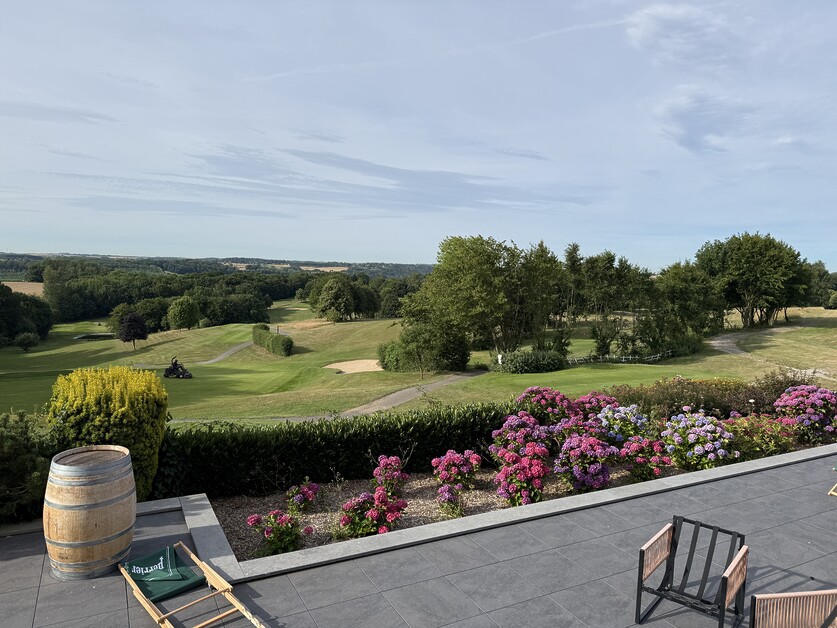
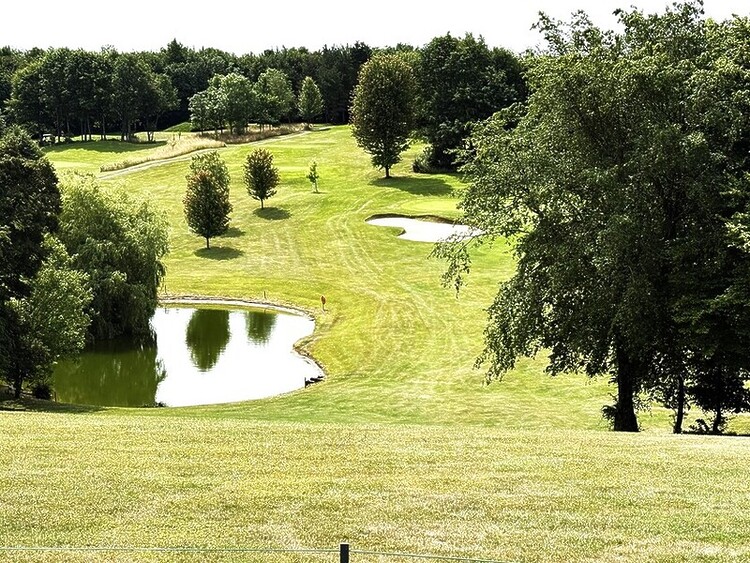
I found the glorious panoramic terrace at the club restaurant bar a perfect perch. You can check out the views of the course and the rolling hills of Belgium in the distance. Sip a well-deserved locally brewed cold one while you mull over your high score and lost balls.
That said, there are some very memorable holes. The par 3 second where the green sits at the bottom of an almost vertical downhill slope. The dogleg right third hole where the fairway slopes manically left to right. The 10th, a tee so high the air is thin to a fairway so far below you might have to slide down. And let’s not forget the brutally uphill 12th and 18th You can also add to this rogue’s gallery fast lush greens with very tricky hidden slopes.
All in all then, a championship course almost as tricky as the alpine courses I love so much. Highly recommended.
Lens. A landscape shaped by coal.
The 300 year-long mining history of the Nord-Pas-de-Calais Mining Basin was a real surprise for me. Its rich seams lit the touch paper for the French Industrial Revolution, made fortunes for pit owners and offered hazardous and brutal employment for locals and their families.
And at its epicentre was Lens, whose landscape remains shaped by its coal extraction legacy. Even its famous Champions League football team and stadium was founded thanks to coal.
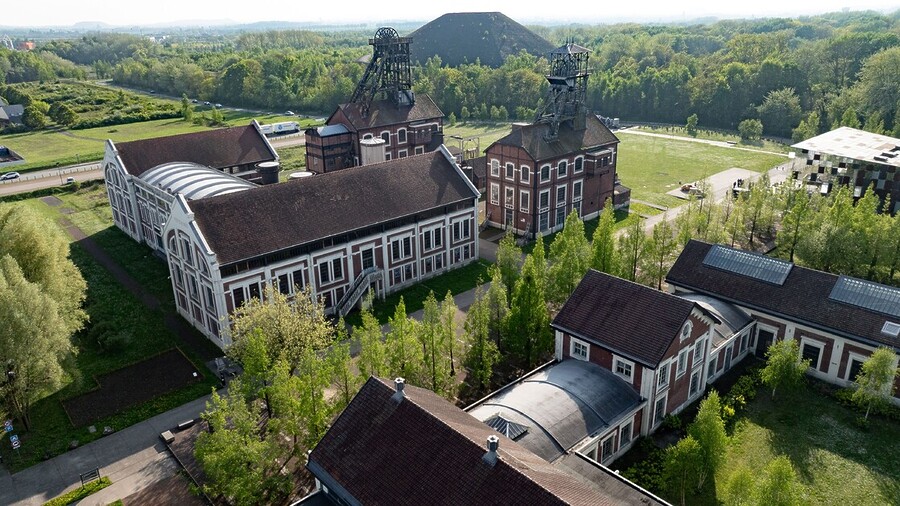
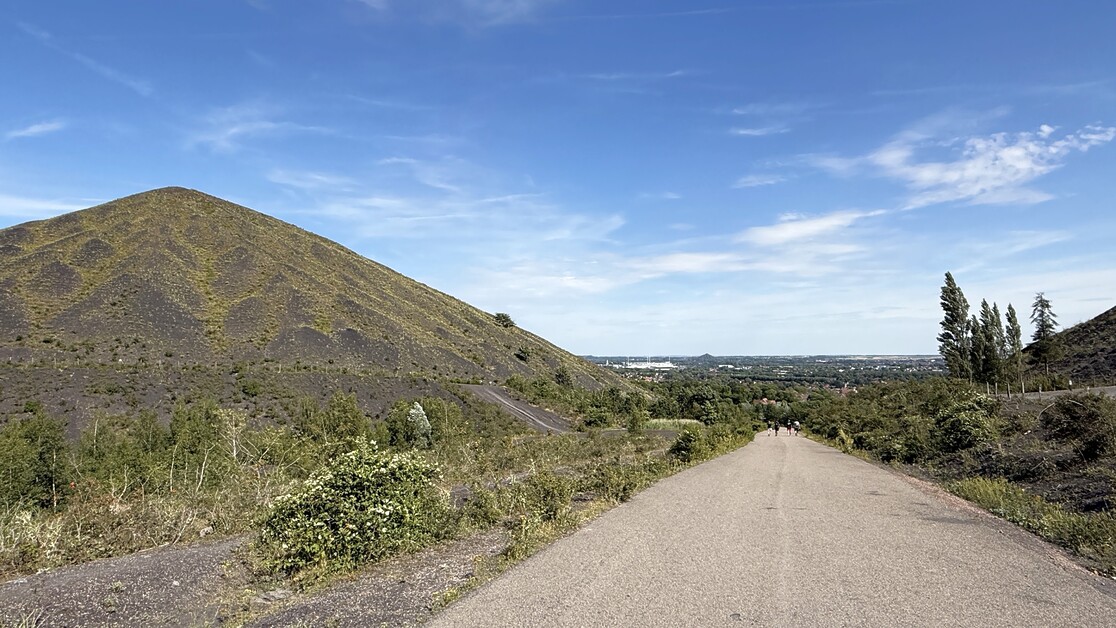
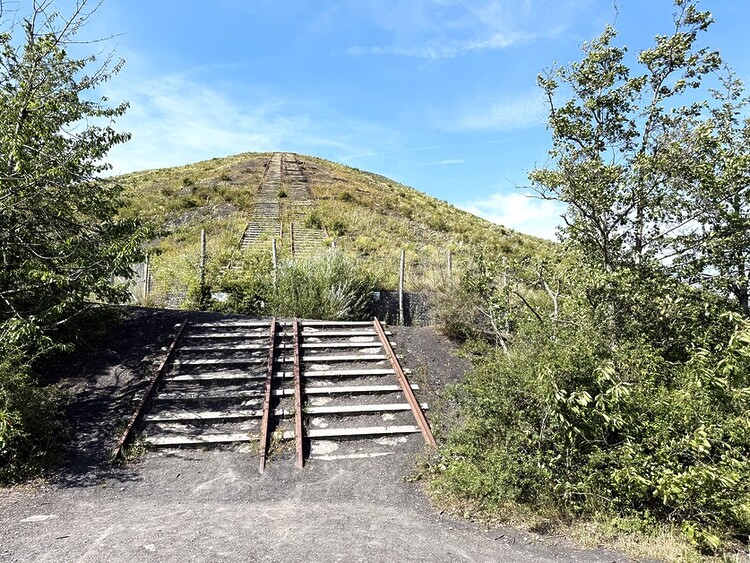
All around the city are reminders of its industrial past with some surprising UNESCO World Heritage awards. Two of them being its twin slag heaps catchily named 11/19 74 A and 74 B Europe’s highest at 185 metres. Incredibly, these giant waste mountains have been transformed into hiking opportunities offering some stupendous summit views. There are, in all, over 50 slag heaps throughout the region.
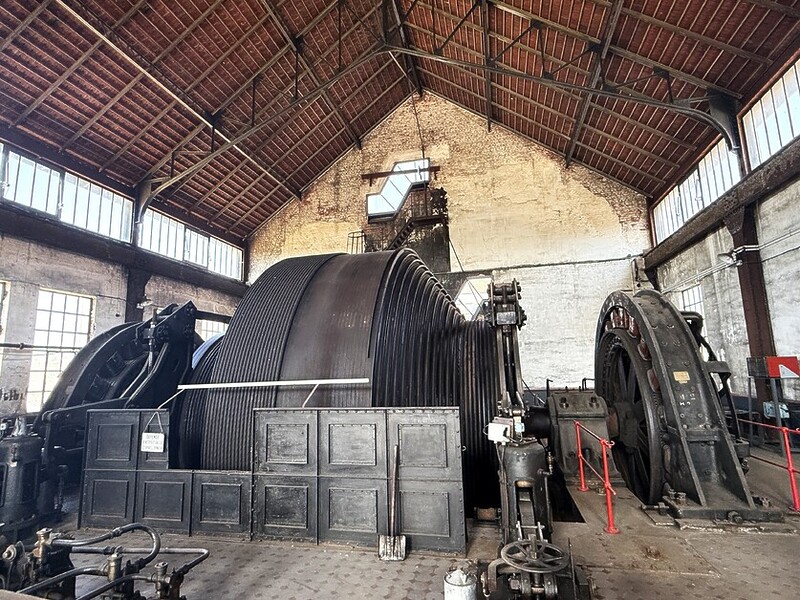
The 11/19 Base at Loos-en-Gohelle, which began in 1726 and finally closed in 1986 has been frozen in time, its intricate lift mechanism now lying silent.
My local guide Delphine, whose own family members worked in the mine was quick to point out various types of flora and fauna growing all over the slag: “over time these twin slag heaps have begun generating their own heat which in turn has given wild plants and shrubs and trees the opportunity to germinate and prosper”.
She gave me a tour around the miners’ corons, their traditional brick houses, still home to some mining family members, but now mainly used for social housing; and even pointed out the family house where she grew up.
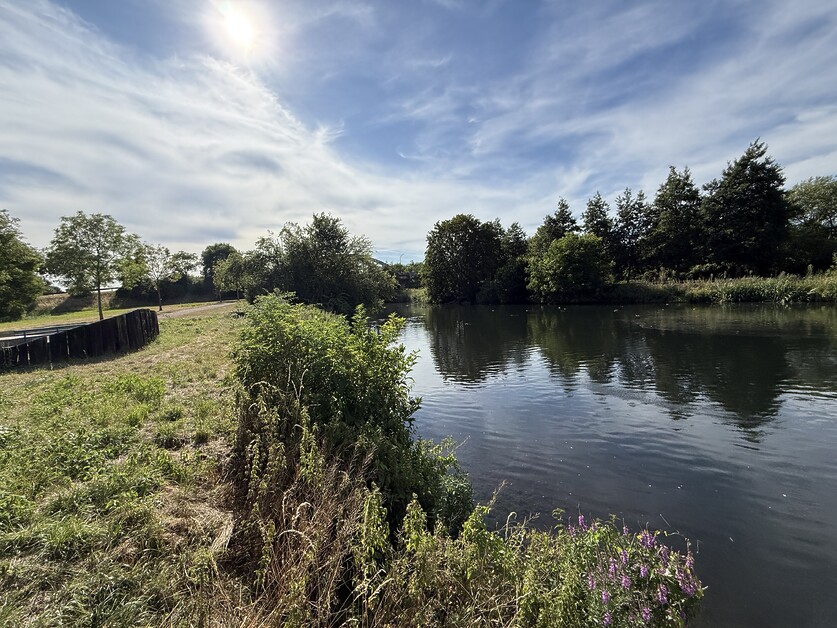
The nearby Parc des Berges, once a canal that transported the coal barges to the rest of France and beyond, has been turned into a nature reserve with ten kilometres of walking and cycling trails.
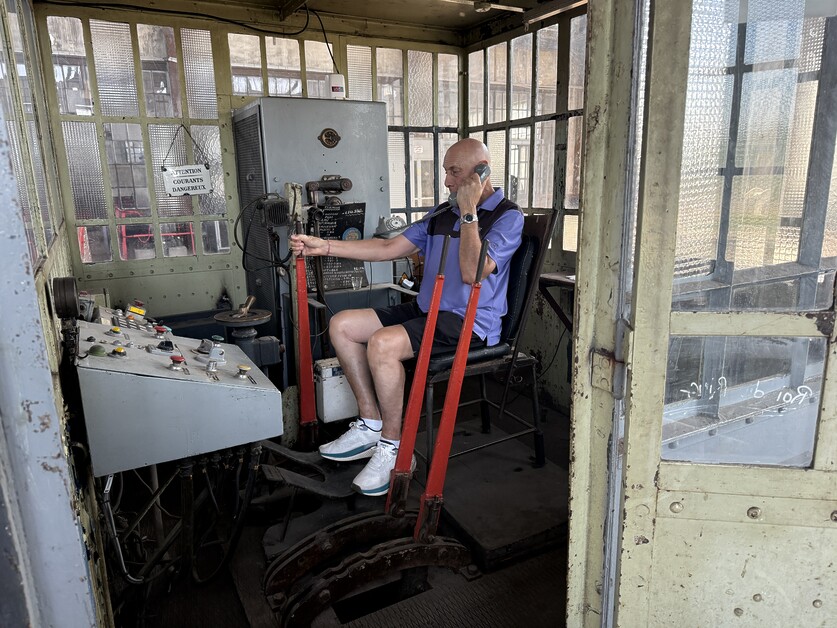
9-9Bis at Oignies is another remarkable pit site which has been repurposed into an art gallery and a live music venue. The miners’ changing rooms and showers have been preserved, while the vast workshop and mine lift shaft control room – all still in working order – is due to open to the public in the near future.
Louvre-Lens Museum
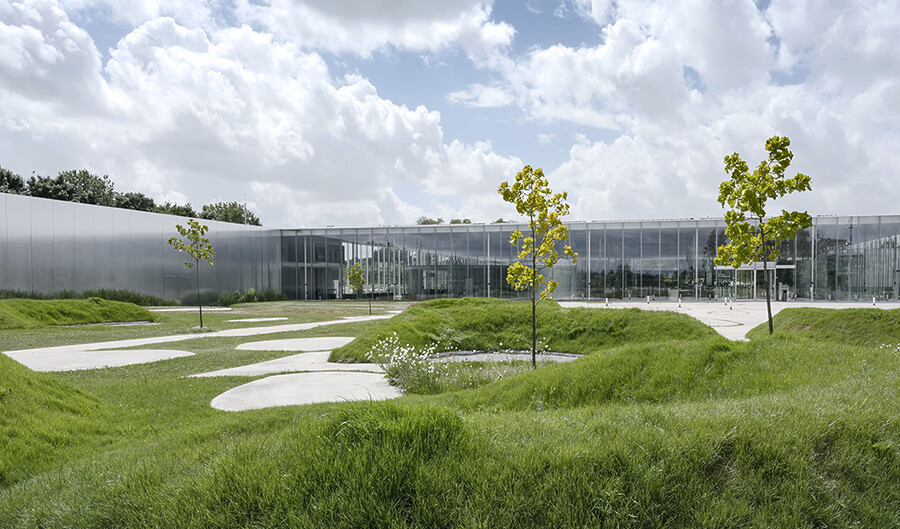
Perhaps the most astonishing mine transformation has taken place in Lens itself. In place of the massive mine pit and railway sidings that once stood here is a stunning building of glass and light that is the free to enter Louvre-Lens Museum. The younger sibling of the famous Paris institution.
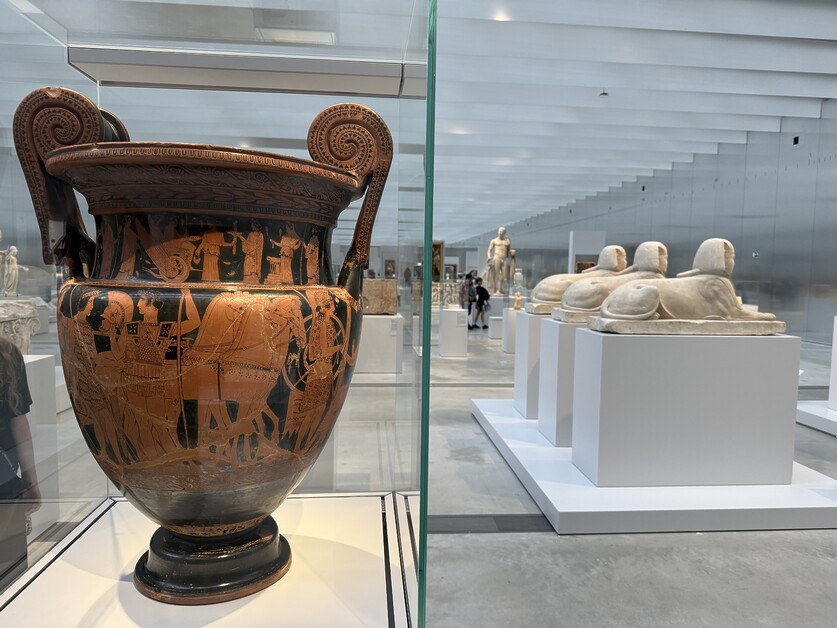
Opened in 2012 on Saint Barbara’s Day the patron saint of miners, it contains hundreds of masterpieces from the Louvre’s collections within the cavernous Gallery of Time, showcasing 5,000 years of art history within a beautiful building that still manages to catch the spirit of the mine it replaced.
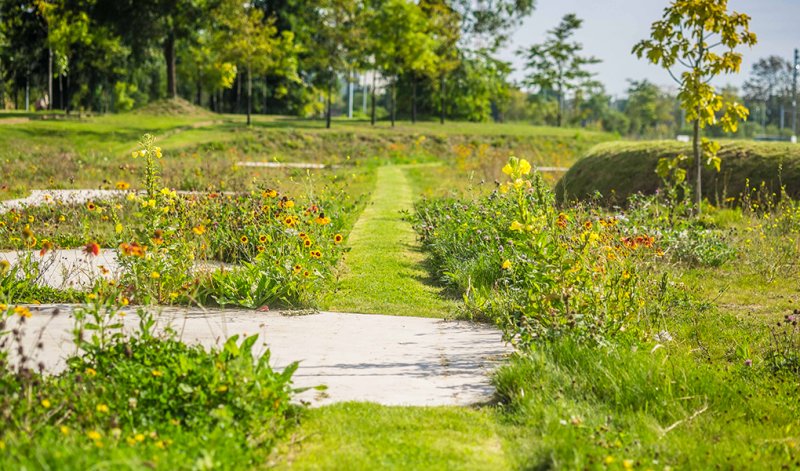
The Louvre-Lens is surrounded by a spectacular 20-hectare landscaped park where art and nature blend together. There’s woodland, wildflower meadows, a lake and plenty of shaded areas for picnics and rest with art and sculptures dotted here and there. There’s even fancy Louvre-Lens branded deckchairs to lounge around in.
It is an astonishing achievement for a working-class community starved of an income since the last mine closed in 1990, to now be able to reap the benefits of art tourism.
Calais Nord
As I returned to Calais for my DFDS ferry I got there early to spend time on the newly renovated beaches and have lunch in one of the many restaurants surrounding Place d’Armes the old town square.
The new Calais Le Plage is the result of a €46 million overhaul to turn the old beachfront into a modern seaside community with a wide wooden boardwalk, regular cleaning patrols, recreational zones, modern toilet facilities, and plenty of free parking areas. It was an absolute delight to experience such a transformation. Dare I say it, it’s almost Californian cool.
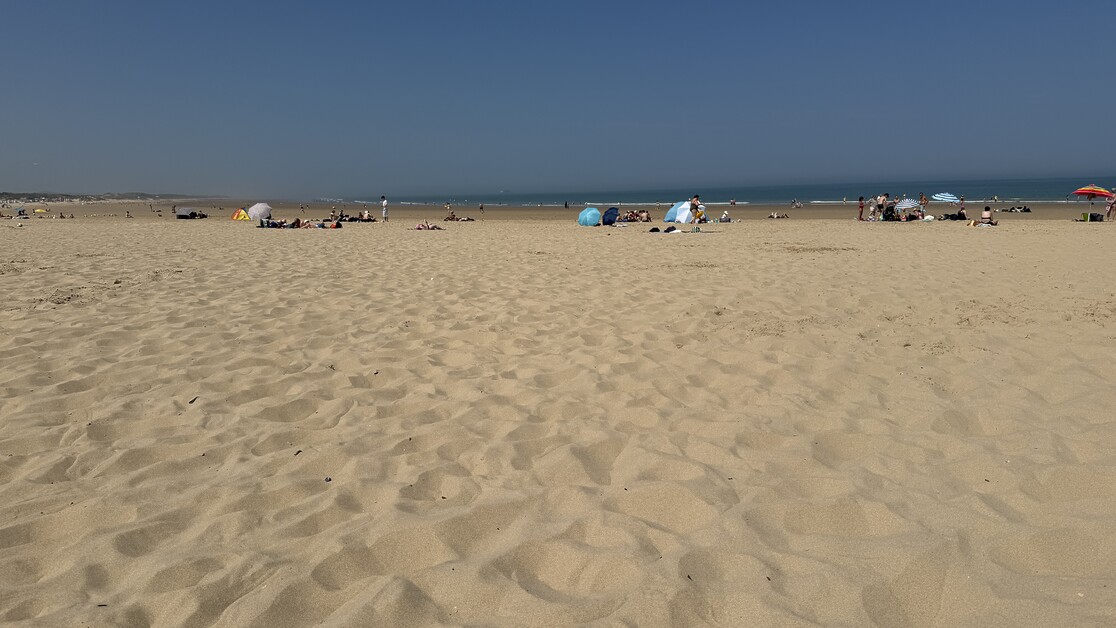
Pas de Calais deserves a much closer look than simply a glance in your rearview mirror. Plenty of small welcoming towns and villages with charming farmer’s markets and regional fare. So next time you head for “Autoroute des Anglais” stick around for a few nights here first.
Tell me more about Discovering the Pas de Calais
Please visit Pas de Calais Tourism for more information about the places mentioned here and much more on the region.
Aa Saint Omer Golf Club Green fees from €40. Hotel Du Golf
5 green fees from a choice of 8 golf courses, Validity 15 days € 375
Mining Pit Visits: 9-9bis Base 11/19 Loos-en-Gohelle
Getting to Pas de Calais b y DFDS ferry
DFDS ferry to Calais offers up to 30 crossings per day on its Dover to Calais service. Fares start from £78 each way for a car and four people.
Upgrade your DFDS ferry ticket to include access to the exclusive Premium Lounge with complimentary hot and cold drinks and snacks from £18 per person. Add Priority Boarding to be one of the first to board and disembark the ferry from £10 per car each way.
If you enjoyed this review, why not check out these similar posts:
 A Sustainable Trip To Guernsey. Explore a beautiful less-travelled Channel Island.
 Hiking the Opal Coast from Calais to Boulogne. Discover this scenic trail along the French coast.
 Insider Guide To Aisne, an incredible department in Northern France.
 Guide to Zanzibar. Gorgeous Island goes far beyond just sunshine


