
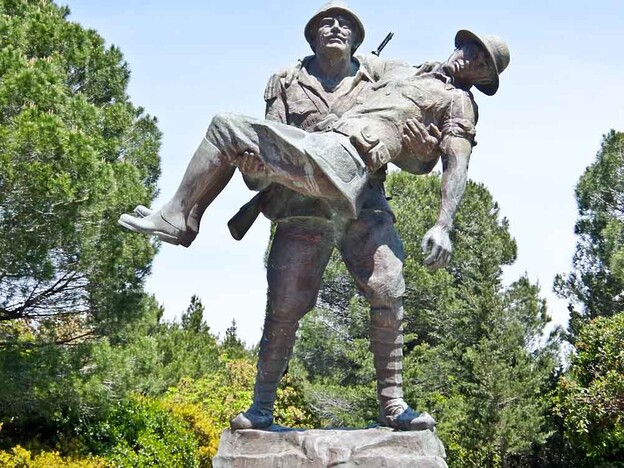
In his Insider Guide to Gallipoli, Rupert Parker visits the WW1 battlefields overlooking the Dardanelles, in north-western Turkey.
The narrow Gallipoli Peninsula was the first major amphibious operation in modern warfare. British Empire and French troops landed on the shores of the Dardanelles Straits with disastrous consequences. From April 1915 to January 1916, 15-16 Allied divisions were involved in a struggle against 14-15 Turkish divisions, with a total cost of 500,000 casualties.
For Australians and New Zealanders, the memory of Gallipoli is particularly raw because of the sacrifices of the ANZAC troops. For Turks, the campaign symbolizes resilience, courage, and the emergence of Mustafa Kemal Atatürk, founder of modern Turkey. Soldiers faced rampant disease, extreme heat, and freezing winter blizzards. Thousands died from dysentery, sunstroke, or exposure.
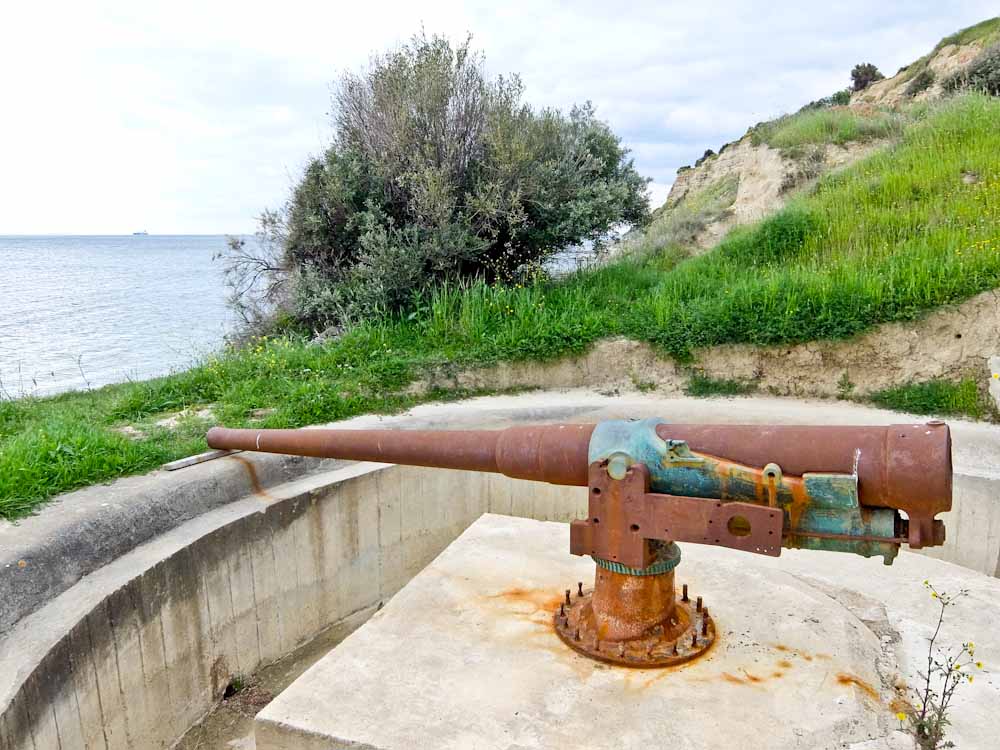
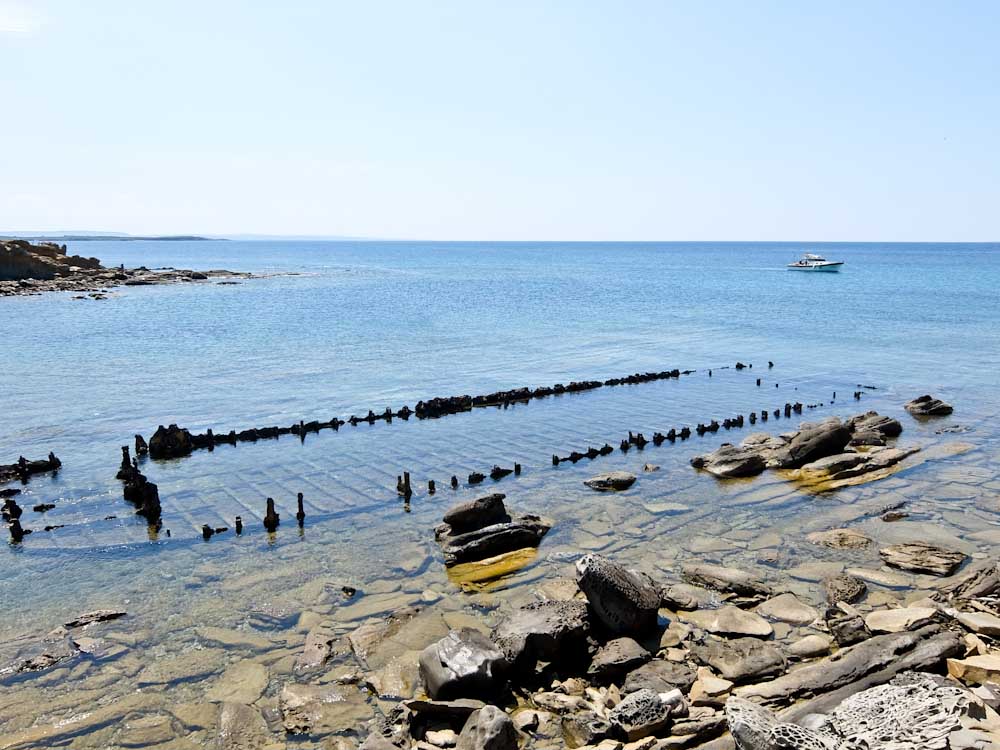
Today, the peninsula is both a battlefield memorial and a peaceful coastal destination where history and natural beauty exist side by side. In late spring, with the poppies blooming, it’s easy to see why the English troops thought they’d arrived in the Garden of Eden. However, dozens of cemeteries and memorials are scattered across the landscape and rusting metal still sits on the beaches
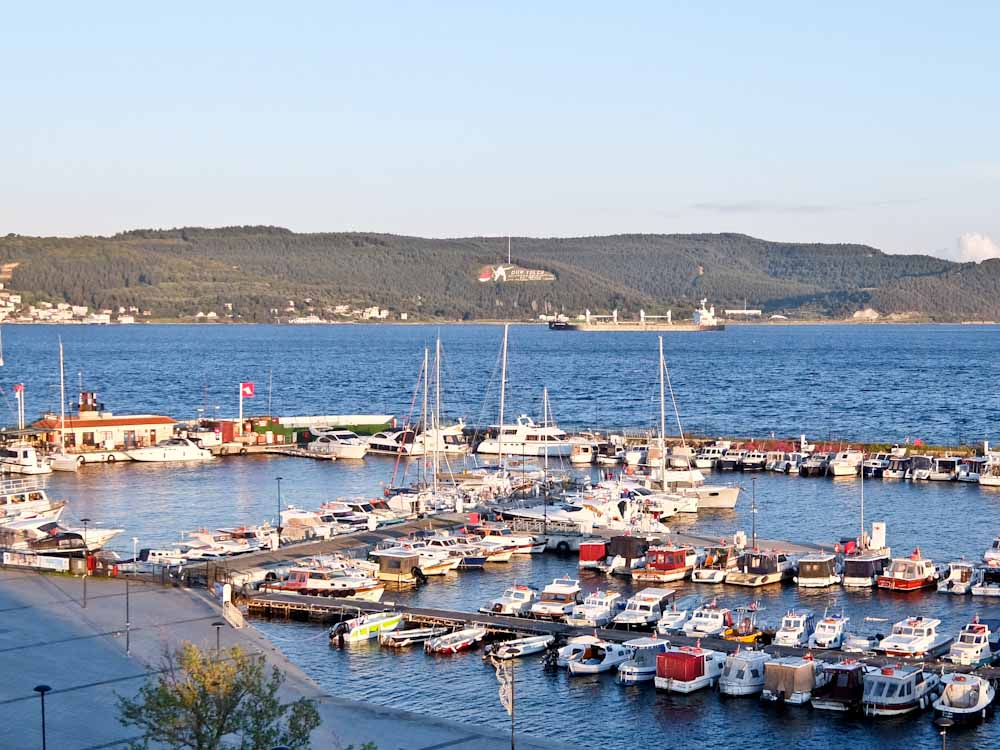
Small fishing villages dot the coastline, and on the other side of the Dardanelles, the town of Çanakkale makes a good base for visitors. It has an attractive marina and the seafront is full of bustling cafes and restaurants. Every day I take one of the frequent small ferries, dodging the huge container ships, across to the Gallipoli peninsula.
Cape Helles
The Allied landings at Cape Helles began on 25 April 1915 and troops came ashore at five beaches named S, V, W, X, and Y at the western edge of the peninsula. Their goal was to capture the heights overlooking the Dardanelles and open the sea route for Russian grain.
The terrain favoured the Ottoman defenders: ridges, ravines, and exposed beaches turned every advance into a costly struggle. Thousands died in attacks measured in mere hundreds of metres.
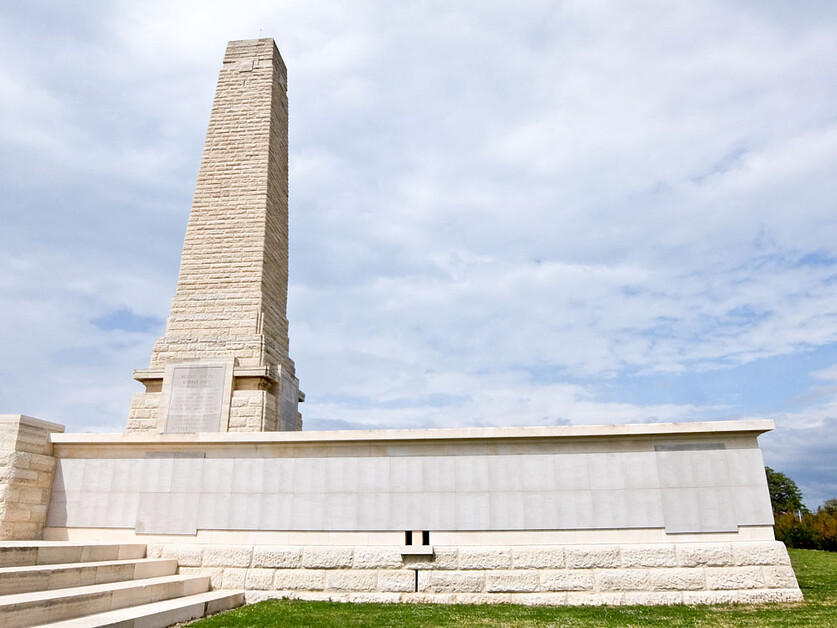
The Cape Helles Memorial stands dramatically above the sea, a towering obelisk commemorating more than 20,000 Commonwealth soldiers with no known grave. It also serves as the main British memorial for the Gallipoli Campaign.
Immediately below the memorial lies V Beach, scene of one of the most catastrophic landings of the campaign. British troops attempted to storm ashore from boats and from the intentionally beached converted collier SS River Clyde. Ottoman machine guns devastated the attackers. Many died before they reached the shore.
The beach is tiny, with the remains of the landing jetty running out to sea. The troops never stood a chance and their graves sit just above the sand. Sadly erosion is taking its course and the cemetery wall is in danger of collapsing into the sea.
Anzac Cove
Around 20 km north, Anzac Cove is a narrow strip of beach framed by steep cliffs and scrub-covered ridges. The geography immediately placed the invading troops at a disadvantage, forcing them to climb steep ravines under heavy Ottoman fire. Of the 16,000 men who landed during the first day, more than 2,000 had been killed or injured by next morning
Walking inland and upwards from the cove leads to some of the campaign’s most important battlefields. The steep slopes leading toward Plugge’s Plateau, Russell’s Top, and Chunuk Bair show the impossible terrain soldiers faced. Scrub-covered gullies twist unpredictably through the hills, making coordinated attacks extremely difficult.
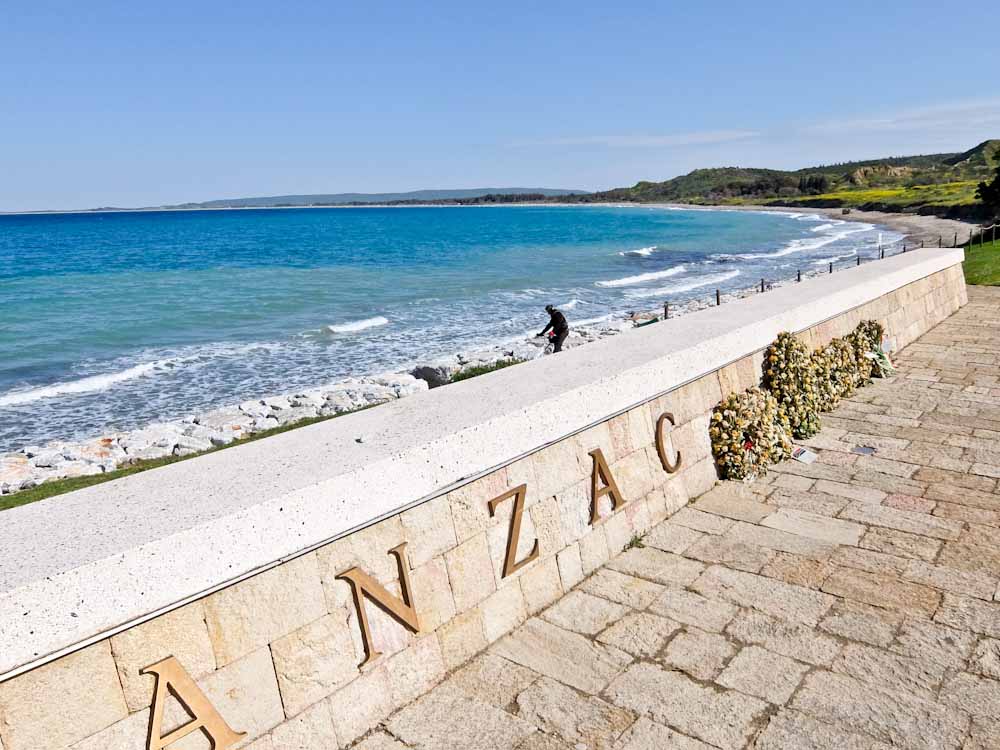
Today, Anzac Cove is quiet and contemplative. The sea is calm, fishing boats drift offshore, and memorials line the road beside the beach. A commemorative site near the shore hosts dawn services every Anzac Day, attracting thousands of visitors from Australia and New Zealand as well as Turkish representatives.
Suvla Bay
Four months later, in August, the landings at Suvla, just north of Anzac Cove, were an attempt to break the stalemate at Gallipoli. British and Commonwealth troops came ashore hoping to seize the surrounding heights and link with ANZAC forces. The landings passed off without incident, so much so that the soldiers were seen taking tea on the beach.
These delays and further confusion allowed two divisions of Ottoman troops to arrive and turn the operation into another costly deadlock. Two weeks later an attack on nearby Scimitar Hill was mounted in full view of the enemy and had disastrous consequences.
By December 1915, Allied leaders decided to evacuate. The withdrawal from Suvla Bay and nearby ANZAC positions took place between 18 and 20 December 1915. Around 83,000 men, thousands of animals, guns, and stores were removed with almost no casualties. It was a sad end to a foolish campaign.
Turkish Memorials
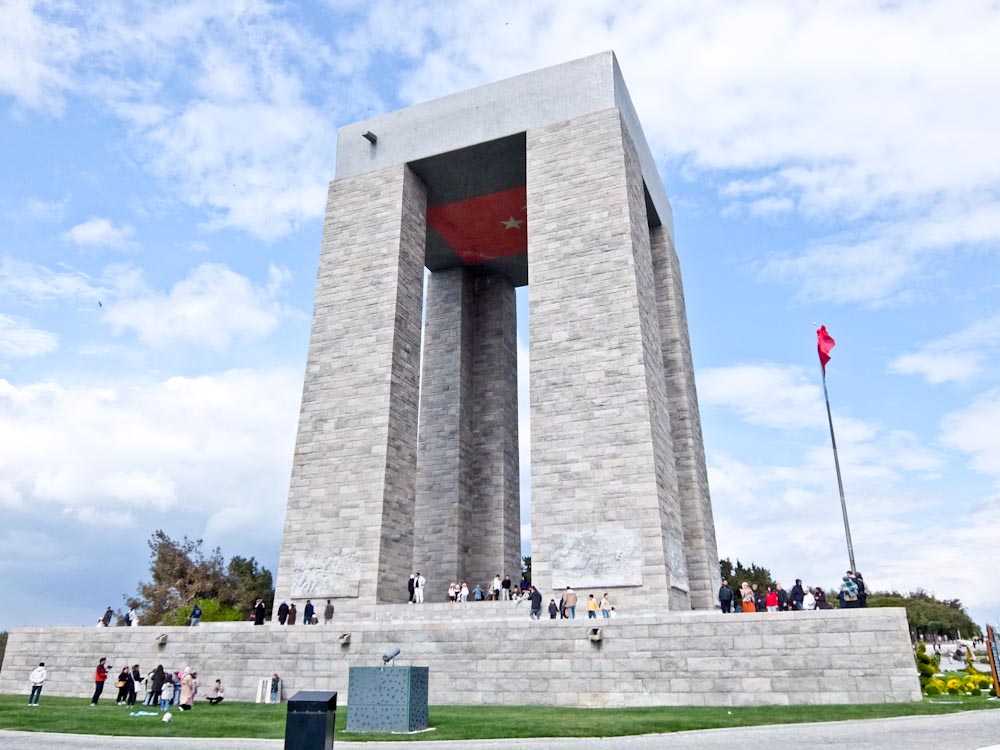
Memorials to the fallen Ottoman troops are scattered all over the Peninsula but the most important and impressive is the Çanakkale Martyrs’ Memorial. Completed in 1960. It stands 41.7 m high and can be seen from far across the sea.
The structure consists of four massive columns supporting a large roof, symbolizing the strength and sacrifice of the Turkish nation. Beneath the monument lies a crypt containing the names of fallen soldiers, and reliefs depict scenes from the Gallipoli battles. This is a major Turkish pilgrimage site and is always full of coaches of adults and children paying their respects.
Gallipoli’s landing beaches are ultimately places of memory, sacrifice, and reconciliation. They tell stories of courage and suffering shared by Turks, Australians, New Zealanders, British, French, and many others who fought there.
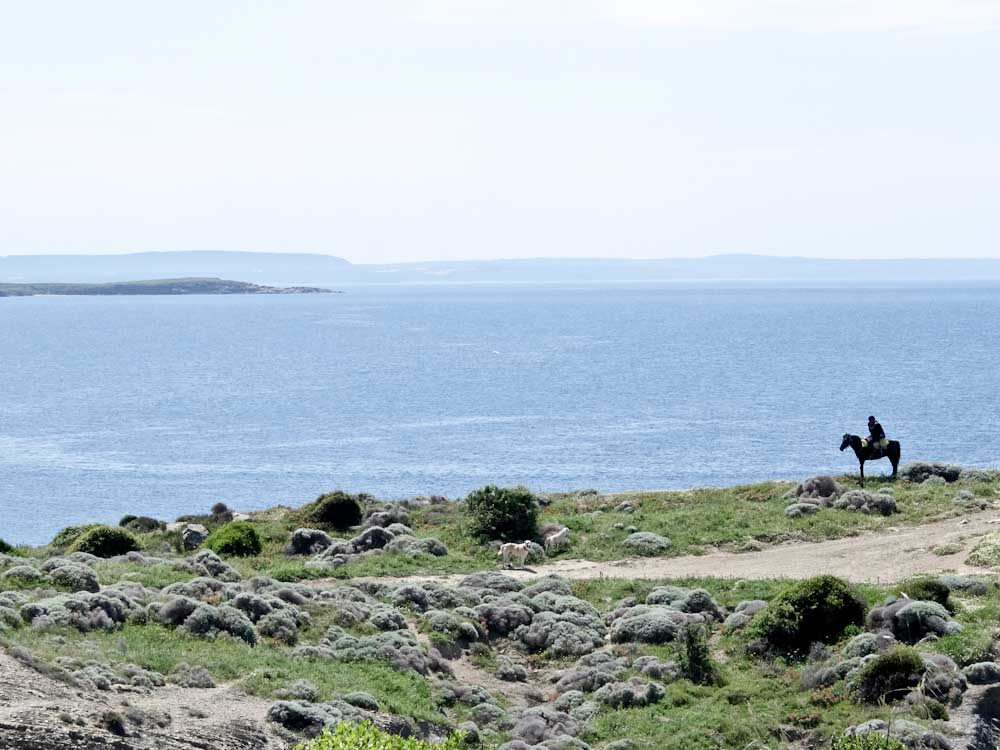
More than a century later, the beaches remain remarkably peaceful and the silence itself becomes part of the experience. For travellers, Gallipoli offers more than military history. The peninsula is strikingly beautiful, dotted with pine forests straddling rolling hills, with sweeping views of the Aegean and the Dardanelles. It’s also close to the ruins of the ancient city of Troy.
Tell Me More About This Insider Guide To Gallipoli.
The visit to Gallipoli was expertly led by Dr. Bruce Cherry and organised by The Cultural Experience. The company specialises in expertly guided cultural, archaeological and historical tours worldwide, led by leading academics and expert tour managers. It offers a range of small-group tours across Europe, the Mediterranean and beyond, with a particular focus on history, art, archaeology and civilisation.
If you enjoyed this review, why not check out these similar posts:
 WW1 Trenches of the Dolomites. Discover this moving outdoor museum.
 Waterloo. Belgium’s historic battlefield can be a big break too.
 Insider Guide To Derby. Uncover the historic roots to Modern Britain.
 Insider Guide To The Boyne Valley, Ireland’s dazzling home to landscapes, monuments and historic castles.


